.
Texas Horse Racing History
Home
Hall of Fame History
Texas Horse Racing History
Past Honorees
2004 Honorees
2005 Honorees
2006 Honorees
Special Awards
Our Vision
Press Releases
Gala
Contact Us

The History of Horse Racing

Horse racing is the second most widely attended U.S. spectator sport, after baseball. This extremely popular sport includes racing of Thoroughbred, Quarter Horse and the Arabian. A kiosk displaying the history of these magnificant breeds and the roles they played in the history of horse racing will be prominantly displayed in the Walk of Fame.
 
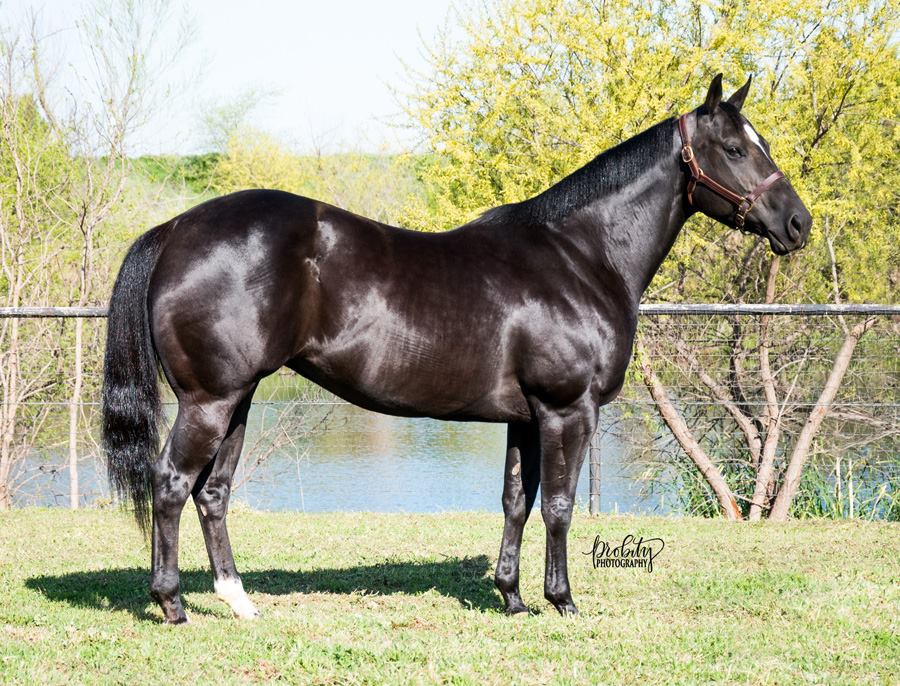
The American Quarter Horse established a bold reputation in history and would never be forgotten by early American racing enthusiasts. To ensure the unique qualities of this breed did not perish, a group of American Quarter Horse enthusiasts met in 1940 in Fort Worth, Texas, to establish what was to become the largest equine breed registry in the world, the American Quarter Horse Association. Some breed historians have maintained that it is the oldest breed of horses in the United States. Today, heavy muscling and sprinter's speed remain chracteristic traits.
 
In ancient days, the Arabian was bred for war. Now that same Arabian that left hoof prints in the sands of legend, has come riding through time once more. On tracks around the world, these swift and magnificent purebred Arabians are capturing the attention and imagination of a large and growing public; racing is in their heart and soul. The Arabian brings to the Sport of Kings a certain timeless spirit that is both unique and compeeling.
 
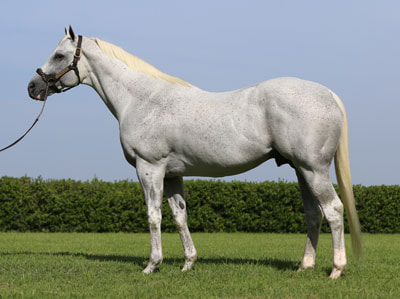
The British settlers brought horses and horse racing with them to the New World, with the first racetrack laid out on Long Island as early as 1665. By the early 1800's the only horses that could be called "Thoroughbreds" and allowed to race were those descended from horses listed in the General Stud Book, established in 1791. Thoroughbreds are so inbred that the pedigree of every single animal can be traced back father-to-father to one of three stallions, Byerly, Turk, Darley Arabian and Godolphin Arabian.

The History of Texas Horse Racing


The Texas horse racing industry has a long and storied history that has seen many ups and downs. From the late 19th century through the first part of the 20th century, horse racing was a major draw in Texas at places like the State Fair of Dallas and Arlington Downs, which was one of the most successful racetracks in the country for a few years in the 1930s.


Arlington Downs was opened in November of 1929, four years before pari-mutuel wagering became legal in Texas. The track flourished over the next three years. Unfortunately, the Texas legislature voted to repeal the pari-mutel laws at the end of the regular session in 1937. It was a setback that the Texas racing industry would have to endure for 50 years.


Loyal Texas horsemen did their best to keep the Texas racing and horse breeding industry alive and strong while continually fighting to return pari-mutuel racing to Texas. It was a long, hard struggle, and finally, in 1987, the Texas legislature voted to legalize pari-mutuel wagering in Texas.


Since that time, a number of racetracks have hosted horse racing in Texas, including Bandera Downs, the Gillespie County Fairgrounds, Lone Star Park at Grand Prairie, Manor Downs, Retama Park, Sam Houston Race Park, and Trinity Meadows Raceway. Bandera and Trinity Meadows have closed, but the other facilities continue to showcase quality Texas horse racing every year.

2004 marks banner year for Texas horse racing in terms of national recognition. Lone Star Park at Grand Prairie was awarded the 21st renewal of the $14-million Breeders' Cup World Thoroughbred Championships, which will be run on October 30, 2004. The eight-race event draws the best Thoroughbreds from all over the globe each year to vie for prestige and huge purses. It is the first time the Breeders' Cup World Thoroughbred Championships has ever been conducted at a track in the Southwest part of the United States.


Additionally, Sam Houston Race Park has been awarded the rich MBNA America Challenge Championships this year, which will be run on November 6, 2004. Similar to the Breeders' Cup, The MBNA Challenge Championships lure the best racing Quarter Horses from across the country every year to compete for prestige, huge purses, and owner's awards.


Moreover, John O. Roark, a board member and past chairman of the Texas Horsemen's Partnership, LLP - an organization that represents owners and trainers of racehorses in Texas - is currently serving his second term as president of the National Horsemen's Benevolent and Protective Association (HBPA), which is the largest horsemen's representative organization in the United States, representing 33 affiliate horsemen's organizations and over 40,000 horsemen.


In recent years, the Texas racing industry has made an effort to preserve the history and honor many of the people and horses who have made a significant contribution to the Texas racing industry with the development of the Texas Horse Racing Hall of Fame.

Texas Horse Racing Museum and Hall of Fame. One Retama Parkway . Selma, Texas. 78154